British Cockapoo Society
  • WELCOME
  • ABOUT US
  • CONTENTS PAGE
    • COCKAPOO INFORMATION
      • Spaniel & Poodle Information
      • F1, F2 Explained
      • Are Cockapoos Hypoallergenic?
      • Do Cockapoos Moult?
      • Cockapoo Coats of many Colours
    • THINKING OF GETTING A COCKAPOO?
    • LOOKING FOR A BREEDER?
      • What is a Puppy Farm
      • Dog breeding legislation
      • How to Find a Good Breeder?
      • Litter-mate Syndrome
    • HEALTH TESTING
      • Eyes Tests
      • Kidney Tests
      • Hip Tests
      • Blood & Enzyme Tests
    • Should My Dog Breed?
    • Spay or Neuter
    • PUPPY CORNER & TRAINING
      • Preparing for your Puppy
      • Early Days Socialisation Training
      • Bedtime Training
      • Using a Crate
      • Leaving puppy alone
      • Toilet Training
      • Teething & Bite Inhibition
    • OBEDIENCE TRAINING
      • Stages of Behaviour
      • Recall Course
        • Get Prepared
        • Week 1 - What's Your Name?
        • Week 2 - Have Fun!
        • Week 3 - Introducing DIstance
        • Week 4 - Off Lead!
        • Week 5 - Keeping Focus
      • Sit
      • Loose Lead Walking
      • Drop
      • Leave
      • How to stop Barking
      • Introducing a Second Dog
    • COCKAPOO CARE & HEALTH
      • What to feed?
      • Grooming & Coat Care
        • Brush & Combs
        • Grooming Cuts
      • Ear Care & Plucking
      • Insurance
      • Summer Care
      • Winter Care
      • Doggy Dangers
    • DOGS, KIDS & SAFETY
      • Doggy Body Language
      • Introducing a new baby
      • Stay Safe with Dogs
    • RAW FEEDING & NATURAL REMEDIES
      • Health Checklist
      • RAW FEEDING INTRODUCTION
        • Raw Feeding Menu
        • Bobby's Story
      • NATURAL REMEDIES
        • Fleas & Worms
        • Eyes
        • Ears
        • Skin
        • Bones
        • Digestive Problems
  • CONTACT US
  • WELCOME
  • ABOUT US
  • CONTENTS PAGE
    • COCKAPOO INFORMATION
      • Spaniel & Poodle Information
      • F1, F2 Explained
      • Are Cockapoos Hypoallergenic?
      • Do Cockapoos Moult?
      • Cockapoo Coats of many Colours
    • THINKING OF GETTING A COCKAPOO?
    • LOOKING FOR A BREEDER?
      • What is a Puppy Farm
      • Dog breeding legislation
      • How to Find a Good Breeder?
      • Litter-mate Syndrome
    • HEALTH TESTING
      • Eyes Tests
      • Kidney Tests
      • Hip Tests
      • Blood & Enzyme Tests
    • Should My Dog Breed?
    • Spay or Neuter
    • PUPPY CORNER & TRAINING
      • Preparing for your Puppy
      • Early Days Socialisation Training
      • Bedtime Training
      • Using a Crate
      • Leaving puppy alone
      • Toilet Training
      • Teething & Bite Inhibition
    • OBEDIENCE TRAINING
      • Stages of Behaviour
      • Recall Course
        • Get Prepared
        • Week 1 - What's Your Name?
        • Week 2 - Have Fun!
        • Week 3 - Introducing DIstance
        • Week 4 - Off Lead!
        • Week 5 - Keeping Focus
      • Sit
      • Loose Lead Walking
      • Drop
      • Leave
      • How to stop Barking
      • Introducing a Second Dog
    • COCKAPOO CARE & HEALTH
      • What to feed?
      • Grooming & Coat Care
        • Brush & Combs
        • Grooming Cuts
      • Ear Care & Plucking
      • Insurance
      • Summer Care
      • Winter Care
      • Doggy Dangers
    • DOGS, KIDS & SAFETY
      • Doggy Body Language
      • Introducing a new baby
      • Stay Safe with Dogs
    • RAW FEEDING & NATURAL REMEDIES
      • Health Checklist
      • RAW FEEDING INTRODUCTION
        • Raw Feeding Menu
        • Bobby's Story
      • NATURAL REMEDIES
        • Fleas & Worms
        • Eyes
        • Ears
        • Skin
        • Bones
        • Digestive Problems
  • CONTACT US
Picture
The Cockapoo Club for owners, enthusiasts and ALL recipients of Hearing Dogs
​

WHERE COCKAPOOS COME FIRST!

SPANIEL & POODLE INFORMATION

Picture
Cockapoos are the result of a mating between a Cocker Spaniel and a Poodle, they can vary in appearance, depending on which parent they favour.  
Some may take on more of the Cocker Spaniel, some the Poodle, while others will be somewhere in the middle.


Part of their charm is this variety and owners delight in seeing how the variety in looks, coat, size etc develops as their puppy grows into adulthood.


COCKER SPANIEL
In the UK, the majority of Cockapoos come from a mating between an English Show Cocker Spaniel or an English Working Cocker Spaniel and a Poodle, however you can also get Cockapoos which have an American Cocker Spaniel parent and the information below will help explain the difference.

Both the English Show and Working Cocker come from the same gene pool so although their appearance varies slightly they are basically different strains of the same breed.

Picture
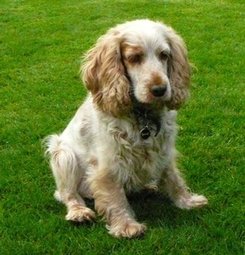
​​​English Show Cocker Spaniel
The largest of the three Cocker breeds, the English Show Cocker is characterised by its domed head and long ears the Show Cocker has a coat that is thick and wavy.  

These dogs have an 'eager to please' disposition and love learning, with scent work being high on their agenda as they love using their noses!

Picture
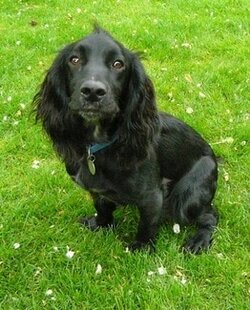
​English Working Cocker Spaniel
The Working Cocker Spaniel shares a lot of the characteristics of their Show namesake, but there are some noticeable differences.  
​

The Working Cocker has a shorter coat, ears set higher on the head and a slightly shorter muzzle, but retains the eager to please trainability of the Show Cocker and as their name implies they are bred to be working dogs, used frequently for retrieving game and field work.

Picture
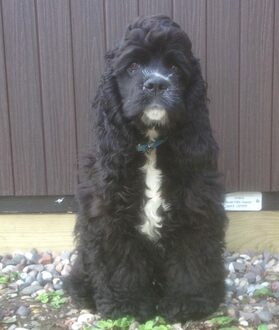
American Cocker Spaniel
The American Cocker Spaniel is the smallest of the three Cocker types.  It has a shorter muzzle, longer ears and a thick dense coat as well as a domed head.
It is generally a happy, eager to please dog.


Size wise it usually stands between 13 - 15" (33 - 38cms).  This type of Cocker is more common in the USA, as its name suggests.


​POODLE​
There are different sizes of Poodle used in breeding Cockapoo's.  It is sometimes said that Poodles have a great sense of humour because probably no other breed has been the butt of more jokes thanks to some of the show dog cuts done on their thick usually non-shedding coat.


That aside, the Poodle is a popular dog, fun loving, happy, easy to train and smart.  There are several different sizes of Poodle (Teacup, Toy, Miniature and Standard) but it is the Toy and Miniature that are commonly used by breeders of Cockapoos.

​

Picture
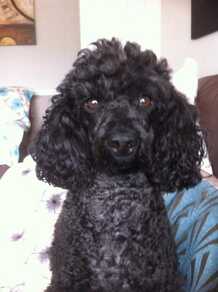
Toy Poodle
The Toy Poodle is the smallest in size of the three, ranging in size up to about 25cm (10") in height (to shoulder), and weighing about 2.2kg - 4.5kg (5 - 10lbs).

Despite their size they have the full Poodle character and personality


Picture
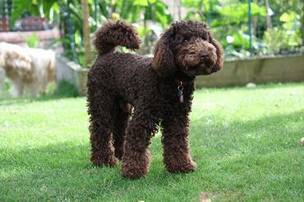
​Miniature Poodle
The Miniature Poodle can vary in size from approximately 28cm - 38cm (11" - 15") with an average weight of 15 - 17lbs (7 - 8 kg)

Picture
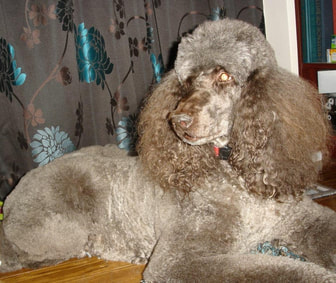
Standard Poodle
The Standard Poodle is the largest of the Poodle breed, standing at above 15" (38cms)  and can weigh up to 45lb (20kg) or more.

​They are impressive dogs, large, energetic and athletic.  They are not usually used in the breeding of Cockapoo's because of the size difference between it and the Cocker Spaniel


​
​

f1 f2 explained
contents page
CONTENTS PAGE
​THINKING OF GETTING A COCKAPOO?
COCKAPOO INFORMATION
LOOKING FOR A BREEDER
​
SHOULD MY DOGS BREED?

HEALTH TESTING
​
COCKAPOO CARE

COAT COLOURS
PUPPY CORNER
TRAINING
DOGS, KIDS & SAFETY
NATURAL REMEDIES

RAW FEEDING


ABOUT US

​


CONTACT US

BRITISH COCKAPOO SOCIETY© COPYRIGHT2021
  • WELCOME
  • ABOUT US
  • CONTENTS PAGE
    • COCKAPOO INFORMATION
      • Spaniel & Poodle Information
      • F1, F2 Explained
      • Are Cockapoos Hypoallergenic?
      • Do Cockapoos Moult?
      • Cockapoo Coats of many Colours
    • THINKING OF GETTING A COCKAPOO?
    • LOOKING FOR A BREEDER?
      • What is a Puppy Farm
      • Dog breeding legislation
      • How to Find a Good Breeder?
      • Litter-mate Syndrome
    • HEALTH TESTING
      • Eyes Tests
      • Kidney Tests
      • Hip Tests
      • Blood & Enzyme Tests
    • Should My Dog Breed?
    • Spay or Neuter
    • PUPPY CORNER & TRAINING
      • Preparing for your Puppy
      • Early Days Socialisation Training
      • Bedtime Training
      • Using a Crate
      • Leaving puppy alone
      • Toilet Training
      • Teething & Bite Inhibition
    • OBEDIENCE TRAINING
      • Stages of Behaviour
      • Recall Course
        • Get Prepared
        • Week 1 - What's Your Name?
        • Week 2 - Have Fun!
        • Week 3 - Introducing DIstance
        • Week 4 - Off Lead!
        • Week 5 - Keeping Focus
      • Sit
      • Loose Lead Walking
      • Drop
      • Leave
      • How to stop Barking
      • Introducing a Second Dog
    • COCKAPOO CARE & HEALTH
      • What to feed?
      • Grooming & Coat Care
        • Brush & Combs
        • Grooming Cuts
      • Ear Care & Plucking
      • Insurance
      • Summer Care
      • Winter Care
      • Doggy Dangers
    • DOGS, KIDS & SAFETY
      • Doggy Body Language
      • Introducing a new baby
      • Stay Safe with Dogs
    • RAW FEEDING & NATURAL REMEDIES
      • Health Checklist
      • RAW FEEDING INTRODUCTION
        • Raw Feeding Menu
        • Bobby's Story
      • NATURAL REMEDIES
        • Fleas & Worms
        • Eyes
        • Ears
        • Skin
        • Bones
        • Digestive Problems
  • CONTACT US